

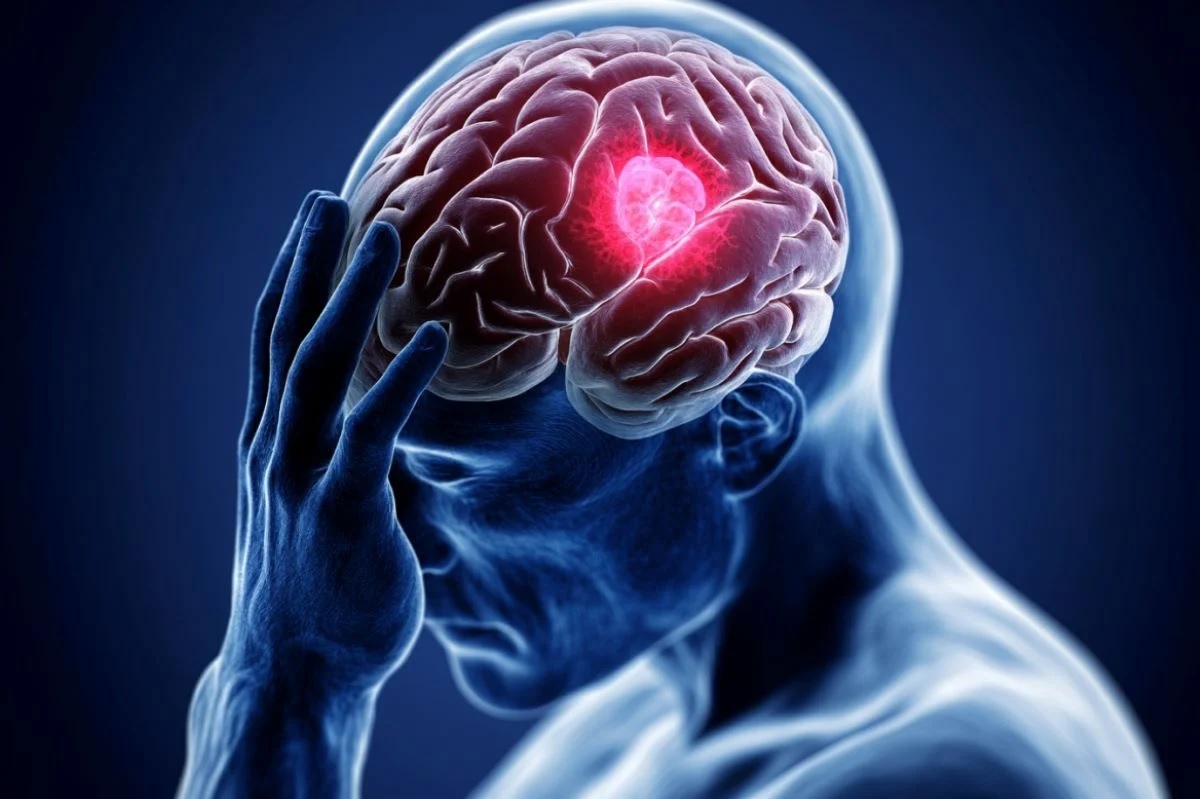
The Science Behind Glioblastoma: What You Need to Know
Decoding the Genetic Landscape of Glioblastoma
Glioblastoma multiforme (GBM) is a highly aggressive type of brain tumor that originates in the supportive tissue of the brain called glial cells. Its genetic landscape is complex and heterogeneous, characterized by a variety of mutations and epigenetic alterations. Key alterations include mutations in the IDH1/2 genes, which play a critical role in cellular metabolism, and the amplification of the EGFR (epidermal growth factor receptor) gene, frequently leading to oncogenic signaling pathways that promote tumor growth. Biologically, GBM is divided into two main categories: primary, which occurs de novo, and secondary, which arises from lower-grade gliomas. This classification is essential, as it is indicative of the genetic mutations involved, the aggressiveness of the lesion, and potential therapeutic strategies. Emerging research continues to unravel the intricate pathways involved, highlighting the significance of the tumor microenvironment, including the interactions between glioblastoma cells and surrounding neuronal, astrocytic, and immune cells.
Key Characteristics That Set Glioblastoma Apart
What distinguishes glioblastoma tumor from other brain tumors is not only its cellular origin but also its marked histological and clinical features. Glioblastomas exhibit a high degree of cellular heterogeneity, presenting a mixture of necrotic areas, cellular pleomorphism, and microvascular proliferation. Clinically, these tumors are notorious for their invasive behavior, often infiltrating healthy brain tissue and rendering complete surgical resection challenging. Furthermore, GBM poses unique therapeutic hurdles due to its propensity for rapid growth and resistance to conventional treatments. Patients may present with a range of neurological deficits that can fluctuate owing to the tumor’s unpredictable expansion and pressure on adjacent structures. Additionally, glioblastomas are known for their ambiguous presentation; the symptoms often manifest insidiously, which complicates timely diagnosis and intervention.
The Stages of Glioblastoma: Progression and Diagnosis
The progression of glioblastoma is typically classified into four stages, though clinical practice often focuses more on defining the tumor based on its genetic and molecular profile rather than a strict staging approach. The diagnosis of glioblastoma often begins after a patient presents with neurological symptoms like severe headaches, seizures, cognitive changes, or focal neurological deficits. A comprehensive evaluation usually involves neuroimaging, predominantly MRI scans, which can reveal characteristic features of the tumor. Following imaging, a definitive diagnosis is made through histopathological examination via biopsy, confirming the presence of GBM’s distinct cellular features. The World Health Organization (WHO) classification system is utilized to categorize gliomas based on histological criteria and molecular data. Advanced techniques such as liquid biopsies and next-generation sequencing are gradually being integrated into the diagnostic landscape, enabling the identification of genetic alterations and potential therapeutic targets.
Symptoms and Diagnosis: Recognizing the Red Flags
Common Signs of Glioblastoma You Shouldn’t Ignore
Patients suffering from glioblastoma may experience a range of symptoms, but these often vary significantly due to the tumor’s location and growth patterns. Early warning signs might include persistent headaches that differ from one’s usual headache pattern, often described as “thunderclap” in nature, and potentially associated with changes in vision. Focal neurological deficits may vary from weakness or numbness on one side of the body to difficulties in speech and balance, making such symptoms critical to recognize. Seizures are another common presenting feature, occurring in about 40% of patients as the tumor irritates surrounding brain tissue. Cognitive and personality changes, such as memory lapses or sudden behavioral shifts, may appear as the mass effect progresses, disturbing vital cognitive functions. Awareness of these symptoms is crucial, as they can facilitate timely evaluation and potentially improve outcomes through prompt intervention.
Tools of the Trade: Advanced Diagnostic Techniques
Modern diagnostic modalities have revolutionized the approach to identifying glioblastoma in patients. MRI scans are considered the gold standard for brain imaging, providing detailed images of the brain’s structure and the tumor’s characteristics, including edema and mass effect. In some cases, functional MRI (fMRI) may be utilized to map brain function and identify vital areas before therapy. In addition to imaging, the use of advanced techniques such as positron emission tomography (PET) can help differentiate between tumor activity and surrounding edema. Furthermore, molecular pathology has become paramount in glioblastoma diagnosis, enabling the analysis of genetic mutations and expression profiles that may influence treatment decisions. Tools like fluorescent in situ hybridization (FISH) and immunohistochemistry permits the identification of key oncogenic drivers and help classify the tumor with precision.
The Role of Imaging in Detecting Glioblastoma
Imaging plays an indispensable role in the detection and assessment of glioblastoma. MRI remains the cornerstone for initial assessment, progression monitoring, and response evaluation to therapies. Diffusion-weighted imaging (DWI) and perfusion-weighted imaging (PWI) can also provide insights into the tumor’s cellularity and vascularity, offering functional information in addition to traditional anatomical imaging. Advanced imaging techniques such as magnetic resonance spectroscopy (MRS) allow for the evaluation of metabolic characteristics, offering clues about the tumor’s biological behavior. Frequent imaging follow-ups help in assessing changes post-surgery or during treatment, allowing clinicians to adapt their strategies based on the tumor’s response. Overall, a multidisciplinary approach involving radiologists, oncologists, and surgeons enhances the interpretative value of imaging metrics, underscoring their critical role in glioblastoma management.
Treatment Options: Navigating the Complexities
Surgical Innovations: The First Line of Defense
Surgery remains the principal therapeutic intervention for glioblastoma, aimed at achieving maximum resection of the tumor while preserving surrounding healthy brain tissue. The advent of sophisticated surgical techniques, such as neuronavigation and intraoperative imaging, has provided neurosurgeons with enhanced precision during operations. Techniques such as awake craniotomy facilitate mapping of functional brain regions, allowing resection of the tumor while minimizing neurological deficits. Despite promising surgical advances, achieving a ‘cure’ remains elusive; glioblastoma’s infiltrative nature often results in residual tumor cells left behind, necessitating further management. Nonetheless, aggressive surgical debulking often improves outcomes, reducing tumor burden and alleviating symptoms while setting the stage for adjunct therapies such as radiotherapy and chemotherapy.
Cutting-Edge Therapies: Radiotherapy and Chemotherapy Unveiled
Following surgical resection, the standard treatment for glioblastoma typically involves radiotherapy and chemotherapy, often administered concurrently. Radiotherapy with fractionated doses aims to target residual tumor cells, significantly prolonging survival rates in patients. The standard regimen involves a combination of external beam radiation therapy (EBRT) and the chemotherapy agent temozolomide (TMZ). Temozolomide, an orally administered alkylating agent, is pivotal in the treatment protocol, effective at crossing the blood-brain barrier and impairing glioblastoma proliferation. Recent studies suggest that patients with methylated MGMT (O6-methylguanine-DNA methyltransferase) promoters show a better response to TMZ, leading to ongoing investigations into personalized treatment strategies based on molecular profiling. Novel techniques like intensity-modulated radiotherapy (IMRT) and stereotactic radiosurgery (SRS) are emerging as alternatives to traditional radiotherapy, aiming to optimize tumor targeting while minimizing exposure to healthy surrounding tissue.
Emerging Treatments: Immunotherapy and Beyond
The quest for more effective glioblastoma treatments has sparked significant interest in immunotherapy, which utilizes the body’s immune system to combat tumors. Several approaches are under investigation, including immune checkpoint inhibitors, such as pembrolizumab and nivolumab, which aim to unleash T-cell responses against tumor antigens. Other advancements include the development of oncolytic virus therapies, which selectively infect and kill cancer cells, as well as CAR T-cell therapy, which has shown promise in hematological malignancies and is being tested in glioblastoma. Furthermore, advancements in personalized medicine, including DNA-based personalized vaccines targeting individual tumor neoantigens, are emerging as hope for extending survival and enhancing quality of life. Despite challenges in effective drug delivery to the brain, ongoing clinical trials are crucial in delineating the potential benefits of immunotherapy in glioblastoma treatment protocols.
Living with Glioblastoma: Insights and Realities
The Psychological Impact: Coping with a Challenging Diagnosis
The diagnosis of glioblastoma is not just a medical condition; it significantly impacts the psychological well-being of patients and their families. The reality of facing a life-threatening illness can elicit a wide range of emotional responses, including fear, anxiety, and depression. Patients often grapple with the uncertainty of prognosis, navigating existential questions about mortality while experiencing their daily lives. Support from mental health professionals, including psychologists and social workers, is essential, offering coping strategies to enhance emotional resilience. Engaging with support groups and resources tailored to glioblastoma also fosters a sense of community and connects patients with shared experiences, alleviating feelings of isolation. Mindfulness practices, cognitive-behavioral therapy, and psychosocial interventions can be pivotal in addressing the mental health challenges posed by the diagnosis, ultimately promoting improved quality of life.
Support Systems: Finding Help in the Right Places
Navigating the healthcare system after a glioblastoma diagnosis can be overwhelming, making it essential for patients and their families to have access to robust support systems. Comprehensive care involves multidisciplinary teams that include oncologists, neurosurgeons, radiologists, nurses, and rehabilitation specialists who collectively work to address the multifaceted needs of the patient. Local and national advocacy organizations provide invaluable resources, including information on treatment options, clinical trials, and caregiving support. Patients should also consider connecting with palliative care specialists early in their journey, as these professionals can help manage symptoms, enhance comfort, and improve overall function, irrespective of the stage of treatment. Online forums and platforms dedicated to glioblastoma can serve as lifelines for those seeking emotional and informational resources, promoting connection and fostering supportive relationships.
Success Stories: Hope and Resilience in the Face of Glioblastoma
While glioblastoma prognosis remains challenging, numerous success stories illuminate the resilience and strength exhibited by patients and their loved ones. Advances in research and treatment modalities have led to patients living longer and with improved quality of life than ever before. Stories of individuals who have undergone aggressive surgery, participated in clinical trials, and utilized innovative therapies inspire others facing similar diagnoses, highlighting the importance of patient agency and determination in treatment outcomes. Survivorship experiences underscore the significance of holistic approaches, which encompass medical care, psychological support, and community engagement. Each success story acts as a beacon of hope, serving to reinforce the notion that while glioblastoma is formidable, ongoing research and patient advocacy can foster an atmosphere of resilience, paving the way towards novel treatments and improved outcomes.
FAQ
Question: What is the typical prognosis for patients diagnosed with glioblastoma? – The prognosis for glioblastoma patients is often considered poor, with median survival rates ranging from 12 to 18 months post-diagnosis. However, some patients may live longer with aggressive treatment and supportive care.
Question: Are there any lifestyle changes that can help manage glioblastoma symptoms? – While specific lifestyle changes cannot cure glioblastoma, maintaining a healthy diet, engaging in light exercise when possible, and managing stress through mindfulness practices can help improve overall well-being during treatment.
Question: How can caregivers best support a loved one with glioblastoma? – Caregivers can support glioblastoma patients by providing emotional support, helping manage medications and appointments, ensuring communication with healthcare providers, and encouraging participation in supportive communities.
Question: What role do clinical trials play in glioblastoma treatment? – Clinical trials are essential for exploring new treatment options and therapies for glioblastoma. They provide patients access to cutting-edge treatments and contribute to the advancement of medical knowledge about the disease.
Question: Can glioblastoma recur after treatment? – Yes, glioblastoma is known for its tendency to recur, often due to the presence of residual tumor cells after surgery and treatment. Monitoring through imaging and follow-ups is crucial for managing recurrence.
Question: What are some common side effects of glioblastoma treatments? – Common side effects can include fatigue, nausea, hair loss, cognitive changes, and increased susceptibility to infections, depending on the treatments received, such as surgery, chemotherapy, or radiotherapy.
Question: How does the multidisciplinary care team approach benefit glioblastoma patients? – Multidisciplinary care teams offer comprehensive support by integrating various specialists’ expertise, including oncologists, neurosurgeons, radiologists, and mental health professionals, to address the complex needs of glioblastoma patients.
Question: Is there a role for alternative therapies in managing glioblastoma symptoms? – Some patients explore alternative therapies, such as acupuncture, meditation, and dietary supplements, to help manage symptoms and improve quality of life. However, it’s essential to discuss any alternative treatments with healthcare providers to ensure safety and coordination with conventional treatments.
Useful Resources
- National Cancer Institute
- American Brain Foundation
- Glioblastoma Foundation
- Brain Tumor Foundation
- American Cancer Society
- National Center for Biotechnology Information
- American Society of Clinical Oncology
- WebMD

Comments are closed.