

Understanding the Importance of Professional Carpet Cleaning
The Hidden Dangers of Dirty Carpets
Carpets are often seen as a cozy aesthetic touch, softening the harshness of hard floors while adding warmth to workspaces. However, the reality of carpet maintenance goes far beyond mere appearance. Dirty carpets harbor an array of hidden dangers that can impact both health and productivity in the workplace. Dust mites, bacteria, fungi, and allergens thrive in filthy carpets, posing significant health risks to employees. According to recent studies, asthma and allergies can be exacerbated by breathing in contaminated air containing these particles. In an office environment, the risks multiply, leading to higher absenteeism due to health conditions stemming from poor indoor air quality, which has been linked to stagnant air bound with dust and allergens stuck in the carpets. Prolonged exposure to these environmental hazards not only jeopardizes the health of your workforce but can also result in decreased employee morale and productivity as well. Therefore, understanding the hidden dangers of dirty carpets is crucial for maintaining a healthy work environment.
How Clean Carpets Impact Your Business Image
Business image is not merely a representation of your brand; it encompasses everything from customer perception to employee satisfaction. Clean carpets play a pivotal role in shaping this image. When clients or visitors enter a business, their initial impression is often influenced by the cleanliness of the environment, including the carpets beneath their feet. Stains and odors can convey neglect and carelessness, leading prospective clients to question the quality of service or product offered. On the other hand, pristine carpets suggest professionalism, attention to detail, and a commitment to providing a healthy and welcoming environment. This perception can influence customer loyalty and retention, as well as foster a culture where employees take pride in their workspace. Moreover, clean carpets contribute to a more inviting atmosphere in meetings and shared areas, critical for making positive or lasting impressions. Thus, striking a balance between aesthetic appeal and cleanliness should be prioritized in every business strategy.
Investing in Carpet Care: A Sustainable Choice
Investing in professional carpet cleaning services is not just a matter of aesthetics; it represents a sustainable business choice that prioritizes long-term value. Sustainability in carpet care extends beyond using environmentally friendly cleaning products; it includes prolonging the life cycle of the carpets within your facility. The initial cost might discourage businesses from opting for professional cleaning, yet this approach saves businesses money over time by preventing the need for premature carpet replacement. Moreover, many modern cleaning solutions focus heavily on eco-friendliness, incorporating biodegradable materials and processes that are safe for both the environment and the occupants of the space. This not only positions a business as environmentally conscious but also reflects corporate social responsibility — a growing concern among consumers today. In essence, investing in quality carpet care is an investment in the sustainability of your workspace and contributes positively to your brand’s reputation, aligning with a growing trend towards ecological awareness.
Choosing the Right Carpet Cleaning Service
What to Look for in a Professional Cleaner
Selecting a professional carpet cleaning service involves more than just choosing the first company that appears on a search engine or one with the lowest price. The ideal carpet cleaning service should demonstrate a combination of expertise, equipment standards, and customer service excellence. Start by assessing their experience in the industry; companies with a prolonged presence often have dealt with a wider variety of carpet types and stains, which equips them with the indispensable know-how to tackle specific challenges. Next, inquire about the cleaning methods used. Methods such as hot water extraction are endorsed by both carpet manufacturers and industry experts for their effectiveness in deep cleaning and sanitizing carpets without leaving residues that can attract dirt. Certification from recognized bodies such as the Institute of Inspection Cleaning and Restoration Certification (IICRC) also exemplifies a commitment to high standards in service. Lastly, a reliable cleaner should have robust customer support and positive reviews from previous clients, reflecting their reputation in the market.
Questions Every Business Should Ask Before Hiring
Before hiring a carpet cleaning service, it’s essential to ask pertinent questions that can reveal the quality and scope of their offerings. Firstly, inquire about the specific techniques they employ and whether they tailor their methods to suit various types of carpets. Understanding the safety of their cleaning agents is equally important, especially in environments with high foot traffic and vulnerable occupants. Additionally, ask about their insurance and licensing; legitimate businesses should always carry liability insurance to protect themselves and the clients against potential damages. It’s also worth investigating their customer service track record — consideration of factors like how they respond to complaints or additional questions can provide insight into their reliability. Lastly, request flexibility around scheduling services. Companies that accommodate your business hours will allow less disruption to your operations, making them a more attractive option.
Evaluating the Cost vs. Value of Carpet Cleaning Services
When considering carpet cleaning services, understanding cost versus value is crucial for making informed decisions. It’s not uncommon for businesses to gravitate towards the lowest bid, only to discover that such services often come with compromises in quality, safety, and effectiveness. Therefore, it’s pertinent to define what value means for your specific business needs. The cost of carpet cleaning for businesses can depend on various factors, including carpet size, type, and extent of soiling, while value extends beyond the monetary aspect. Assess the long-term benefits that result from keeping carpets in good condition—such as enhanced aesthetics, prolonged lifespan, and improved indoor air quality—and weigh these against the expenses involved. Remember, cheaper services may lead to frequent cleanings or disappointing results, ultimately leading to higher costs in replacement or repeated services. Strategically evaluating both elements will aid you in making a choice that optimally balances your budget with the quality needed to maintain a clean and inviting workplace.
Innovative Carpet Cleaning Techniques for Modern Offices
Hot Water Extraction: The Gold Standard in Cleaning
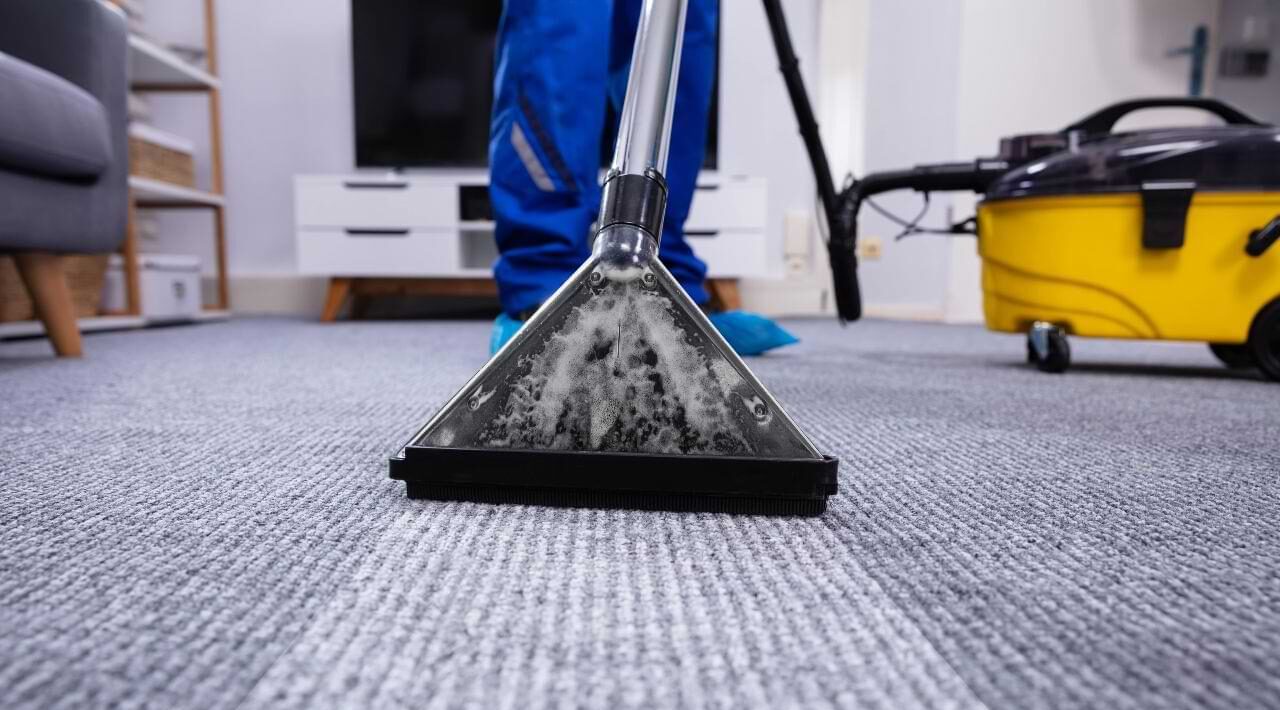
Hot water extraction is often heralded as the gold standard in carpet cleaning for its deep cleaning efficacy. This technique involves the application of hot, pressurized water combined with special cleaning solutions to dislodge dirt and stains from fibers. The effectiveness of hot water extraction lies in its ability to penetrate deep into the fibers, allowing for the removal of not only visible dirt but also latent bacteria and allergens accumulated beneath the surface. After the cleaning agent is applied, the solution — along with removed dirt — is then vacuumed up, leaving carpets free of residues that can attract new dirt. Businesses benefit significantly from this approach since it leads to carpets that not only look clean but also contribute to improved indoor air quality and employee health. Furthermore, advancements in equipment design mean that many of these machines are equipped with advanced drying capabilities, drastically reducing downtime — an essential consideration for busy workplaces.
Eco-Friendly Cleaning Solutions: Combining Safety and Efficacy
The growing demand for eco-friendly products has significantly influenced the carpet cleaning industry, with companies increasingly adopting green cleaning techniques that are safe for both the environment and the occupants. Eco-friendly cleaning solutions utilize biodegradable ingredients that effectively clean carpets without the harsh chemicals traditionally associated with cleaning products. Utilizing plant-based compounds, these cleaning alternatives minimize the production of hazardous waste and vastly improve indoor air quality by eliminating the harmful VOCs (volatile organic compounds) found in standard cleaning solutions. Additionally, many businesses are becoming increasingly aware that opting for eco-friendly services is a way to reflect their commitment to sustainability, a critical factor for many consumers today. These green alternatives are not only effective at revitalizing carpets but often leave a pleasant, subtle scent rather than overpowering chemical odors. As environmental consciousness continues to take hold, carpet cleaning through sustainable methods is a wonderful opportunity for businesses aiming to uphold ethical practices while ensuring cleanliness.
Dry Cleaning Methods: Quick and Effective Solutions
In fast-paced office environments, downtime is a significant concern when it comes to cleaning carpets. Dry cleaning methods present a swift and effective alternative for quick results. These cleaning techniques use minimal moisture, which allows for speedy service without prolonged drying times — an essential factor for busy workplaces that cannot afford to have floors obstructed for long. The process usually involves applying a dry compound to the carpet, which is then agitated to encapsulate dirt and grime before being vacuumed away. This method is particularly advantageous for companies looking to maintain a consistently pristine appearance without the disruptions associated with deep cleaning. One caveat to keep in mind, however, is that while dry cleaning is effective for surface dirt, it may not be adequate for deeper stains or significantly soiled areas, thus necessitating a best practice of combining methods to ensure comprehensive carpet health.
Maintaining Your Carpet Post-Cleaning: Tips for Longevity
Daily Care: Simple Habits to Extend Carpet Life
Once you’ve invested in professional carpet cleaning services, maintaining that level of cleanliness is paramount for the longevity of your carpets. Simple daily habits can significantly impact the lifespan of your carpets. Regular vacuuming is the most effective method; it removes dirt, dust, and allergens that accumulate daily, preventing them from embedding into the fibers. Aim to vacuum high-traffic areas at least three times a week and less frequented spaces weekly. Moreover, consider implementing a no-shoe policy within your business premises; using shoe mats at entrances encourages employees and visitors to leave dirt at the door. Spot cleaning spills immediately can prevent permanent stains and further damage, so ensure your maintenance crew has the necessary supplies on-hand. By integrating these daily practices, businesses can keep their carpets in top shape, creating a lasting impression on clients while safeguarding employee health.
Stain Removal Strategies: Save Your Carpet from Damage
Handling stains promptly is crucial in maintaining the integrity of your carpets. Different stains necessitate different handling strategies; for instance, liquid spills should be blotted immediately with a clean cloth to absorb excess liquid instead of rubbing, which can spread the stain. For grease-based stains, a sprinkle of cornstarch can help lift the oil from the carpet fibers; letting it sit for a few hours before vacuuming can yield excellent results. Water-based stains often require mild soap and water, but ensure the solution is tested on an inconspicuous area first to prevent discoloration. It is also advisable to consult the manufacturers’ recommendations associated with your type of carpet, as they may offer specific solutions tailored to treat different stains. Regularly trained staff on handling in-house stain removal techniques will not only save on professional cleaning costs but also instill a culture of care and respect towards the workspace that employees can take pride in.
When to Schedule Routine Maintenance and Deep Cleaning
Establishing a routine maintenance schedule paired with deep cleaning services is essential for long-term carpet care. On average, it is recommended that carpets be deep cleaned every 12-18 months, especially in commercial settings. However, the frequency may increase based on the level of foot traffic in the area or if specific events have caused heightened soiling. Consider scheduling deep cleans during off-peak times in your business, minimizing disruption while ensuring thorough cleansing. Additionally, seasonal evaluations allow you to adjust frequency based on changing conditions or business requirements — for instance, spring or autumn might be a good time for comprehensive cleaning before the influx of visitors during major holidays. Recognizing early indicators, such as increased staining and diminished appearance, results in more proactive management and prolongs the life of your flooring investment.
FAQ
Question: What are the benefits of eco-friendly carpet cleaning solutions? – Eco-friendly carpet cleaning solutions are safe for both the environment and the occupants. They utilize biodegradable ingredients, reduce hazardous waste, and often improve indoor air quality by eliminating harmful VOCs, making them a responsible choice for businesses.
Question: How often should businesses vacuum their carpets? – Businesses should aim to vacuum high-traffic areas at least three times a week, while less frequented spaces should be vacuumed weekly to remove dirt, dust, and allergens that accumulate daily.
Question: What should be done immediately after a spill on the carpet? – After a spill, it is crucial to blot the area immediately with a clean cloth to absorb excess liquid. Rubbing can spread the stain, so blotting is the recommended method to prevent further damage.
Question: How can businesses effectively deal with grease stains on carpets? – To treat grease stains, a sprinkle of cornstarch can be applied to absorb the oil. Allow it to sit for several hours before vacuuming to achieve the best results.
Question: What is the recommended frequency for deep cleaning carpets? – Carpets should typically undergo deep cleaning every 12-18 months. However, this frequency may increase based on foot traffic, seasonal changes, or specific events that cause extra soiling.
Question: Why is it important to inquire about insurance and licensing when selecting a carpet cleaning service? – Verifying a carpet cleaning service’s insurance and licensing is essential as it protects both the business and the clients against potential damages or liabilities that may occur during the cleaning process.
Question: What are the advantages of using hot water extraction for carpet cleaning? – Hot water extraction is considered the gold standard for carpet cleaning because it effectively removes dirt and allergens from deep within the carpet fibers, improving overall cleanliness and indoor air quality.
Question: How does a no-shoe policy benefit carpet maintenance? – Implementing a no-shoe policy helps reduce the amount of dirt and debris tracked onto carpets, maintaining their cleanliness and prolonging their lifespan, ultimately leading to a better working environment for employees and a positive impression for clients.
Useful Resources
- Cleaning Industry Research Institute
- Institute of Inspection Cleaning and Restoration Certification (IICRC)
- S. Environmental Protection Agency
- Carpet and Rug Institute
- National Ground Water Association
- National Center for Biotechnology Information
- Healthy Carpet Coalition
- Green Building Council

Comments are closed.